
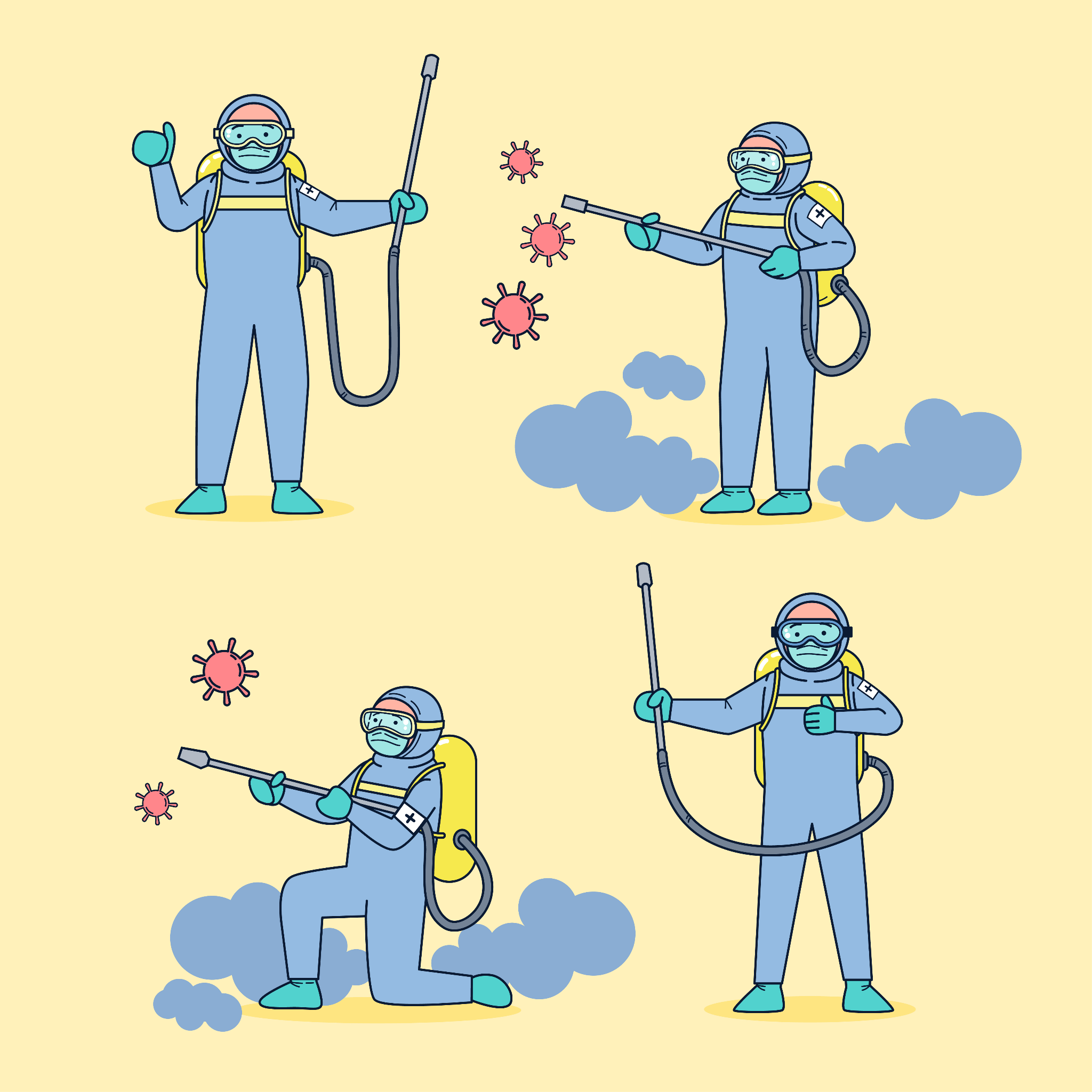
Understanding Pest Control

Why Pest Control Matters for Health and Safety
Pest control is an essential practice for maintaining healthy living environments. Many pests, including mosquitoes, rodents, and cockroaches, carry harmful pathogens that can spread disease to humans. Mosquitoes are known for transmitting illnesses such as dengue fever and malaria, while rodents can contaminate food and surfaces with bacteria that cause serious infections. Cockroaches are also a common trigger for allergies and asthma due to the particles they leave behind in indoor spaces. By managing pest populations effectively, households and communities can significantly reduce these health risks and improve overall safety.
Preventing Damage to Property and Infrastructure
Pests are not only a health concern but also a major threat to property. Termites are especially destructive because they feed on wood and can weaken the structural integrity of buildings over time without being easily noticed. Rodents contribute to damage by gnawing through electrical wiring, insulation, and plumbing systems, which can lead to expensive repairs and even fire hazards. Regular inspections and timely interventions are important to prevent infestations from escalating and causing long-term structural damage.
Methods Used in Modern Pest Control
Modern pest control relies on a combination of strategies designed to eliminate pests efficiently while minimizing harm to people and the environment. Chemical control uses pesticides and insecticides to quickly reduce pest populations, though it must be used responsibly to avoid resistance and environmental contamination. Biological control introduces natural predators or microorganisms to regulate pest populations in a more eco-friendly way. Physical control includes traps, barriers, and sealing entry points to prevent pests from accessing homes or buildings. These methods are often combined for better overall effectiveness.
Integrated Pest Management and Smart Solutions
Integrated Pest Management (IPM) is a strategic approach that focuses on long-term prevention and minimal environmental impact. It involves monitoring pest activity, identifying causes of infestations, and applying targeted solutions only when necessary. Good sanitation, proper waste disposal, and structural maintenance are key parts of this approach. In recent years, many people have also wondered: Do ultrasonic pest repellers work effectively in everyday situations, and research suggests their results are inconsistent depending on the type of pest and environment. Instead of relying on a single solution, IPM emphasizes combining multiple methods such as sealing entry points, reducing food sources, and using traps or biological controls when needed.
Pest Control in Farming and Agriculture
Agriculture depends heavily on effective pest control to protect crops and ensure food production. Farmers face threats from insects, weeds, and rodents that can significantly reduce crop yields if left unmanaged. Common strategies include crop rotation, pest-resistant plant varieties, biological control agents, and carefully managed pesticide use. Sustainable farming practices aim to reduce chemical dependence while maintaining healthy and productive crops.
Challenges of Pest Control in Cities
Urban areas present unique challenges for pest control due to dense populations and abundant food waste. Improper garbage disposal can quickly attract rodents and insects, leading to infestations that spread through buildings and neighborhoods. Effective urban pest management requires cooperation between residents, sanitation services, and local authorities. Preventive measures such as sealing entry points, maintaining cleanliness, and improving waste management systems are essential for long-term control.
Final Thoughts on Pest Management
Pest control remains a crucial part of maintaining healthy, safe, and functional environments. It helps protect human health, preserves property, and supports agricultural productivity. By combining chemical, biological, and physical methods within integrated systems like IPM, pest populations can be managed more sustainably and effectively. As environments continue to change, adaptive pest control strategies will remain important for ensuring long-term safety and stability.