Urban Gardening Book: Unlock Your Green Thumb in Small Spaces Today

Urban gardening isn’t just for the green-thumbed elite; it’s a thriving movement that turns concrete jungles into lush oases. Imagine plucking fresh herbs from your balcony or growing tomatoes in a sunny corner of your apartment. With the right guidance, anyone can transform their small space into a vibrant garden.
Urban Gardening Book
Urban gardening enhances city living by introducing greenery and sustainable practices into compact spaces. Anyone can engage in this rewarding activity, regardless of gardening experience.
Definition and Importance
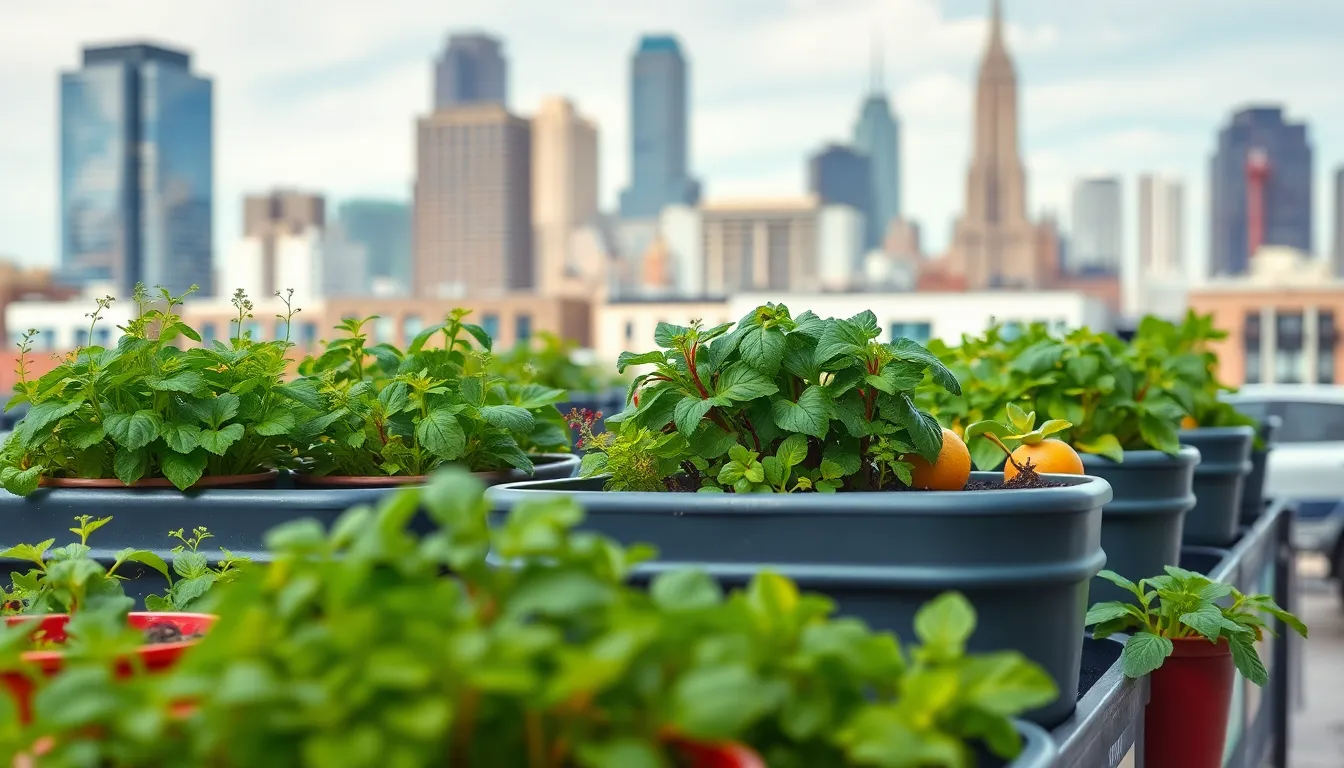
Urban gardening refers to cultivating plants in urban environments, including rooftops, balconies, and small yards. This practice promotes food security by allowing individuals to produce their own fruits, vegetables, and herbs. An increase in green spaces improves air quality and reduces the heat island effect in cities. Community engagement flourishes as neighbors share resources and knowledge, strengthening social bonds and fostering healthier lifestyles.
Benefits of Urban Gardening
Urban gardening offers numerous benefits. Food accessibility improves, providing fresh produce directly to urban dwellers. Mental health receives a boost through interaction with nature. Physical health also improves, as gardening encourages exercise. Biodiversity increases as more species flourish in urban areas. Environmental impact diminishes, with urban gardens aiding in stormwater management and reducing carbon footprints. Sustainable practices become more common, encouraging responsible consumption and conservation among city residents.
Choosing the Right Urban Gardening Book
Selecting an urban gardening book requires careful consideration of several factors. Readers should assess content relevance to their specific gardening needs and space constraints.
Factors to Consider
Evaluate the book’s focus. Some emphasize container gardening while others cover vertical gardening or hydroponic methods. Understand the author’s expertise. Established authors often provide valuable insights. Check publication date. Current information reflects modern techniques and practices. Consider the level of detail provided; beginners benefit from comprehensive, step-by-step guides, while experienced gardeners may seek advanced tips. Review illustrations or photographs; visual aids enhance understanding of plant care and design. Lastly, reader reviews can offer insights into the book’s effectiveness and practicality.
Top Recommendations
“Urban Gardening for Beginners” serves as an excellent starting point for novices. This book covers basics in a concise manner, including plant selection and care methods. For those looking to maximize limited spaces, “Vertical Gardening” explores innovative solutions to create lush gardens in small areas. “The Edible Balcony” focuses specifically on growing food in urban environments, offering practical tips for producing herbs and vegetables. “The Deck and Patio Bible” provides inspiration and design ideas for transforming outdoor spaces. Each of these books offers unique perspectives, fitting various urban gardening styles and preferences.
Essential Urban Gardening Techniques
Urban gardening thrives on creativity and resourcefulness, making it possible for anyone to cultivate plants in limited spaces.
Container Gardening
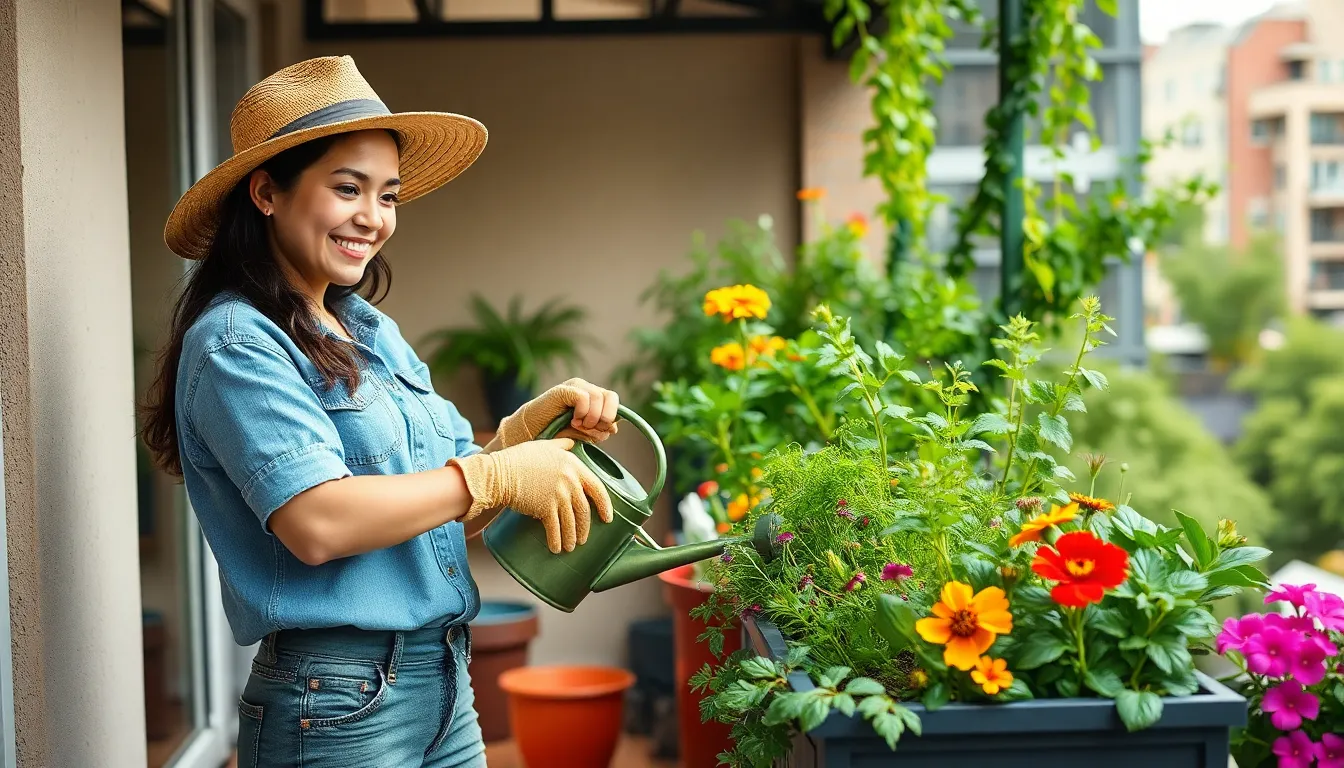
Container gardening enables urban dwellers to grow their favorite plants in small spaces. This method allows individuals to utilize various containers, such as pots, buckets, or even recycled materials. The flexibility of container gardening suits balconies and patios while providing mobility for optimal sunlight exposure. Drainage becomes crucial, so ensure each container has holes. Soil choice matters too; use a quality potting mix enriched with nutrients. Plant selection varies, from herbs like basil and parsley to colorful flowers. Monitoring water levels maintains plant health, and regular fertilization supports growth.
Vertical Gardening
Vertical gardening maximizes limited space and creates visually appealing green walls. This technique involves growing plants upward using structures like trellises, shelves, or wall-mounted planters. Climbing plants such as beans, peas, or cucumbers adapt well to this method, enhancing yields in small areas. Different herbs and flowers also thrive in vertical gardens, adding vibrancy to urban settings. Proper sunlight exposure remains essential, along with consistent watering practices to keep plants healthy. Utilizing vertical gardening reduces the ecological footprint by promoting biodiversity and improving air quality in urban environments.
Creating Your Urban Garden
Creating an urban garden involves careful planning and plant selection. The right approach maximizes available space and promotes vibrant growth.
Planning Your Space
Consider the available space and sunlight in the area. Assessing how much sunlight each part receives helps choose suitable plants. Create a layout that incorporates containers, vertical gardens, and traditional beds. Utilizing walls and fences for climbing plants boosts growing capacity. Allocate space for walking pathways, ensuring easy access. Incorporate seating areas to enjoy the garden. Planning for water access simplifies plant care. Keeping strong winds and heavy rains in mind aids in selecting plant locations.
Selecting Plants for Your Garden
Selecting the right plants enhances the garden’s success and aesthetics. Choose plants based on sunlight and climate requirements. Opt for herbs like basil, mint, and parsley for easy cultivation. Leafy greens such as kale and spinach thrive in small spaces. Consider resilient flowers like marigolds and petunias for color. Fruit-bearing plants such as strawberries and dwarf tomatoes adapt well to urban settings. Confirm that chosen plants fit container sizes and soil types. Experimenting with a mix of edible and ornamental plants creates a diverse ecosystem.
Maintenance and Troubleshooting
Urban gardening can present unique challenges that require attention and problem-solving strategies. Understanding these common issues helps gardeners develop effective solutions.
Common Challenges in Urban Gardening
Limited space often forces gardeners to make compromises. Poor soil quality may hinder plant growth, leading to weak and unhealthy plants. Pest infestations can become a significant concern as urban areas attract various insects. Inconsistent watering practices might result in overwatering or underwatering, both detrimental to plant health. Lastly, inadequate sunlight exposure affects growth potential, especially when plants compete for light in tight spaces.
Solutions and Tips
Selecting the right container improves drainage and ensures optimal soil conditions. Using high-quality potting soil enhances nutrient availability for plants. To manage pests, introducing natural predators or companion planting serves as an effective strategy. Implementing a regular watering schedule, incorporating moisture-retaining materials, and utilizing self-watering containers help maintain consistency. Positioning plants in the sunniest areas and rotating them periodically ensures even light distribution for better growth.
Conclusion
Urban gardening offers a unique opportunity for city dwellers to reconnect with nature and enhance their living spaces. By embracing this trend, individuals can cultivate a vibrant green oasis right at home. The right urban gardening book can serve as a valuable resource, guiding new gardeners through essential techniques and best practices.
Whether it’s growing herbs on a balcony or designing a vertical garden, the possibilities are endless. With the right knowledge and a bit of creativity, anyone can transform their urban environment into a flourishing garden that not only beautifies their surroundings but also contributes to a healthier lifestyle. Urban gardening is more than just a hobby; it’s a step towards sustainable living in the heart of the city.