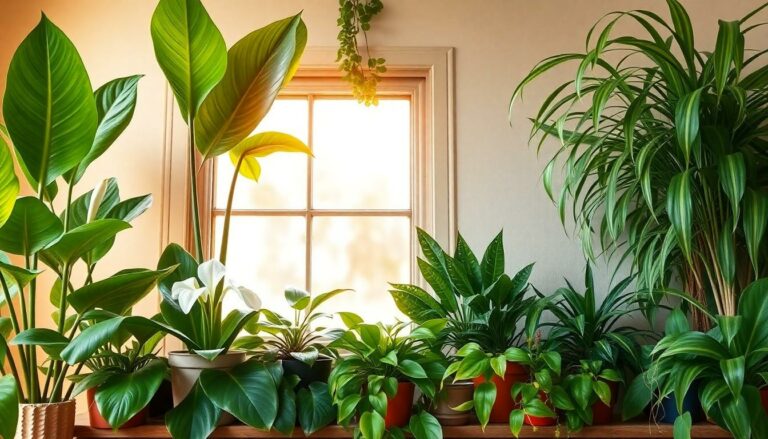
Full Shade Vegetables And Herbs: Uncover the Garden's Hidden Treasures
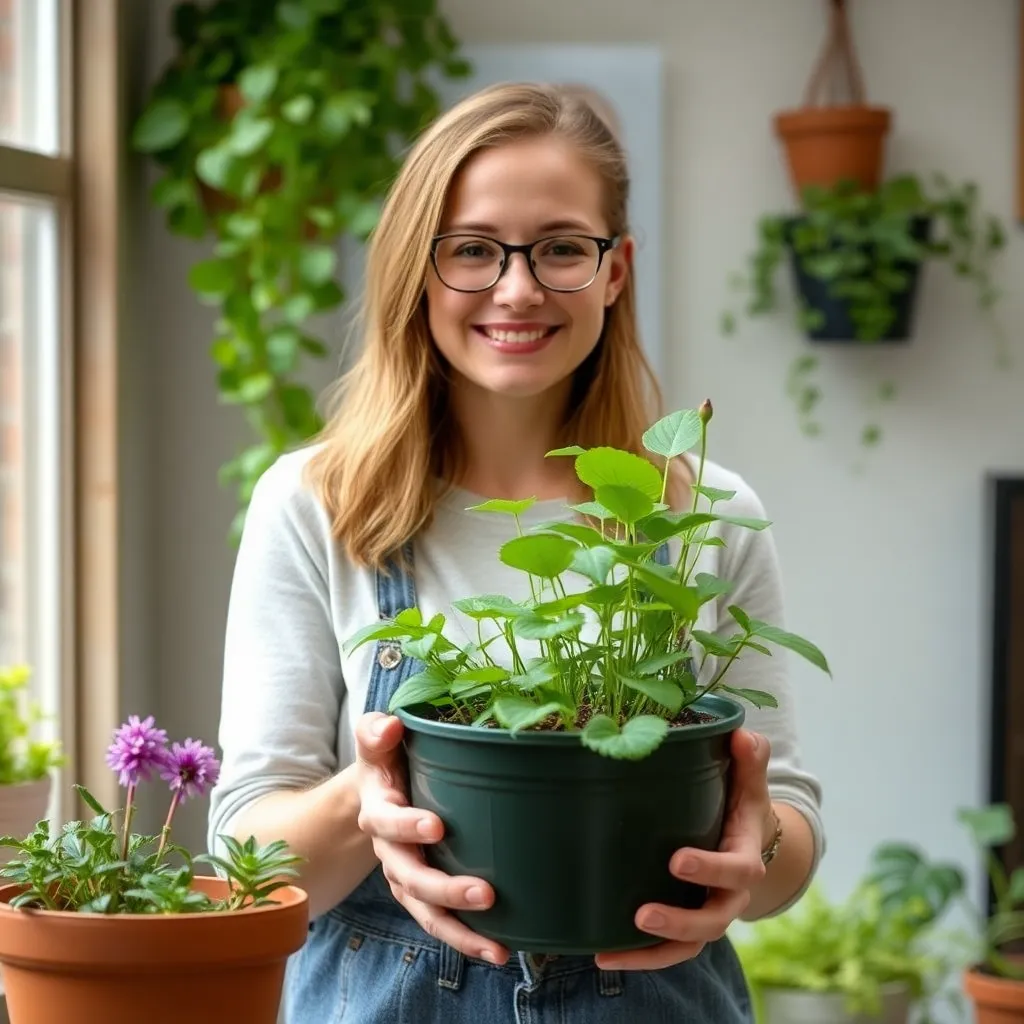
Have you ever looked at your shady backyard and thought, “What a waste.”? Well, let’s change that narrative. Growing full shade vegetables and herbs might seem like a challenging job, but it can actually be a rewarding adventure. Picture this: lush greens thriving where the sun barely shines, transforming that neglected corner into a vibrant oasis. If you think those dim spaces don’t have potential, think again. Let’s jump into the green world of shaded gardening and discover how we can turn those challenging spots into our very own verdant retreat.
Understanding Full Shade Gardening
Full shade gardening is often misunderstood. Many believe it means the area receives zero sunlight. But, it typically refers to spots that receive less than four hours of direct sunlight each day. Such areas might be tucked behind trees or tall structures, leaving them cool and slightly damp, perfect for certain plants.
Understanding the microclimate in these spaces is crucial. For instance, some plants thrive in cooler, moister environments, while others might struggle. By identifying the specific conditions of our shady spots, we pave the way for successful planting.
Benefits Of Growing Vegetables And Herbs In Full Shade
Planting in full shade comes with a host of benefits. First off, it can minimize water stress. Shaded areas tend to retain moisture longer, reducing our need to water frequently, talk about a win for lazy gardeners.
Also, certain vegetables and herbs prefer the cooler temperatures found in shaded environments. This allows for a longer growing season without the risk of scorching heat affecting our plants. Who knew that shade could be so beneficial?
Finally, shaded gardens provide a unique ecosystem for a variety of insects and critters, great for pollination. All in all, full shade gardening can boost biodiversity while offering us healthier, happier plants.
Top Vegetables For Full Shade
If we’re serious about maximizing our shady spots, let’s explore the best vegetables suited for these low-light conditions. Here’s our top pick:
Lettuce: A salad essential, it flourishes in the cool shade, providing us with fresh greens throughout the season.
Spinach: Rich in vitamins, spinach loves the dim conditions and can be harvested multiple times.
Radishes: These speedy veggies grow well in the shade and add a delightful crunch to our salads.
Kale: Known for its nutritional value, kale can withstand cooler temperatures and thrives in both partial and full shade.
Peas: Sweet and crisp, these should be a staple in our shaded garden. They not only grow well but also fix nitrogen in the soil.
By growing these vegetables, we can ensure that our shady areas are not just useful but also packed with flavor.
Best Herbs For Low Light Conditions
Herbs can be a fantastic addition to our low light gardens, as many thrive beautifully without direct sunshine. Here are our top herb choices:
Mint: This aromatic herb can grow rapidly, often taking over its space, making it ideal for shaded areas.
Parsley: Packed with vitamins, parsley enjoys partial shade and adds flavor to our dishes without much fuss.
Chives: They adapt well to edges of shady gardens and provide a mild onion flavor that complements many meals.
Cilantro: While it prefers cooler temperatures, cilantro also thrives with minimal sunlight, and we can enjoy its fresh taste in salads and salsas.
Oregano: Known for its robust flavor, it can survive happily in partial to full shade while keeping our dishes flavorful.
Incorporating these herbs not only spices up our meals but enhances the aesthetic of our garden.
Tips For Successful Full Shade Gardening
To ensure our full shade garden thrives, let’s consider a few essential tips:
Soil Quality: Good soil is the backbone of our garden. Amend it with organic matter like compost to boost nutrient content.
Choose the Right Plants: Always opt for plants that are naturally adapted to low-light conditions. Researching beforehand can save us time and effort.
Check Moisture Levels: Even though shaded areas retain moisture, we should still monitor soil moisture to avoid root rot.
Pruning: Trim back nearby trees or shrubs if possible to allow a little extra light for our plants.
Mulching: Applying mulch helps retain moisture and regulate soil temperature, benefiting our shady crops.
Using these tips, we can maximize the potential of our dimly lit garden spaces.