The Role of Visual Storytelling in Slot Player Retention

Imagine opening a game that instantly draws your attention — bright colors, animated scenes, and characters that seem to have their own personalities. Before you even realize it, you’re already curious to see what happens next. That’s the magic of visual storytelling, and it’s one of the strongest reasons why players keep coming back to their favorite games.
Visual storytelling gives games a soul. It turns a simple gaming experience into something memorable and full of character. From beautifully crafted backgrounds to expressive animations, every visual detail plays a part in keeping players entertained and connected.
How Visuals Create Emotional Connection
Players love games that feel alive, and visuals are the foundation of that feeling. When players can see a story unfold before their eyes, they begin to form a connection with the slot game. Every color, character, and motion adds to this emotional link.
For example, a well-crafted environment tells its own story. A peaceful village setting, glowing with warm light, can make players feel comfortable and happy. On the other hand, a sparkling city full of bright signs and energy can make the gameplay feel exciting and fast-paced. These visual elements build a bond that keeps players invested in the experience.
The Art of Character Expression
Characters are at the heart of visual storytelling. Their expressions, outfits, and movements tell stories that words often can’t. When characters are visually appealing and full of life, players naturally care more about them.
From the sparkle in a hero’s eyes to the confident stance of a winner, each detail adds personality. Artists carefully shape these designs to make them relatable and memorable. Over time, players develop a fondness for these characters — and that emotional tie keeps them coming back for more.
Color and Light: Silent Storytellers
Color and lighting play quiet yet powerful roles in player retention. Every shade has a mood, and every light effect sets the tone. Bright colors can make moments feel exciting, while soft glows add a touch of calmness.
Slot Game designers use these elements thoughtfully to shape how players feel as they play. For instance, warm tones can bring comfort, while cool tones add freshness and clarity. When colors and lighting flow smoothly with the story, they create a consistent and satisfying experience that players enjoy again and again.
Animation That Adds Personality
Static images can look beautiful, but animation adds movement and emotion. A spinning symbol, a fluttering flag, or a twinkling background detail can make a game feel alive. It’s these little touches that turn an ordinary scene into something memorable.
Smooth, well-timed animation gives the visuals a rhythm that keeps players entertained. It makes the action feel dynamic and rewarding. When a win triggers a burst of motion or a sparkle of light, it adds joy and excitement to the experience. These moments are small, but they have a lasting effect on how players feel.
Building Worlds Through Visual Continuity
Consistency is key in visual storytelling. When all elements — from the background to the buttons — share the same style and theme, it creates harmony. This balance makes the slot game look polished and professional, giving players a sense of trust and comfort.
Each scene should feel like part of a bigger picture. When players notice that every icon, symbol, and character connects visually, it deepens their appreciation for the game. This thoughtful design encourages longer play sessions and keeps players returning to relive the same pleasant feeling.
How Visuals Encourage Replay
A visually rich game always offers something delightful to look at. Players often return to see more details they might have missed before. This sense of discovery keeps the experience fresh and exciting.
Even simple updates like new backgrounds, special effects, or seasonal themes can renew interest. These artistic updates remind players that there’s always something new to enjoy, keeping the excitement alive every time they return.
Sound Completes the Picture
While visuals lead the story, sound completes the feeling. The gentle ring of coins, cheerful background music, or uplifting victory tones blend perfectly with the visuals to create a full experience. Together, sound and art make each moment feel rewarding and special.
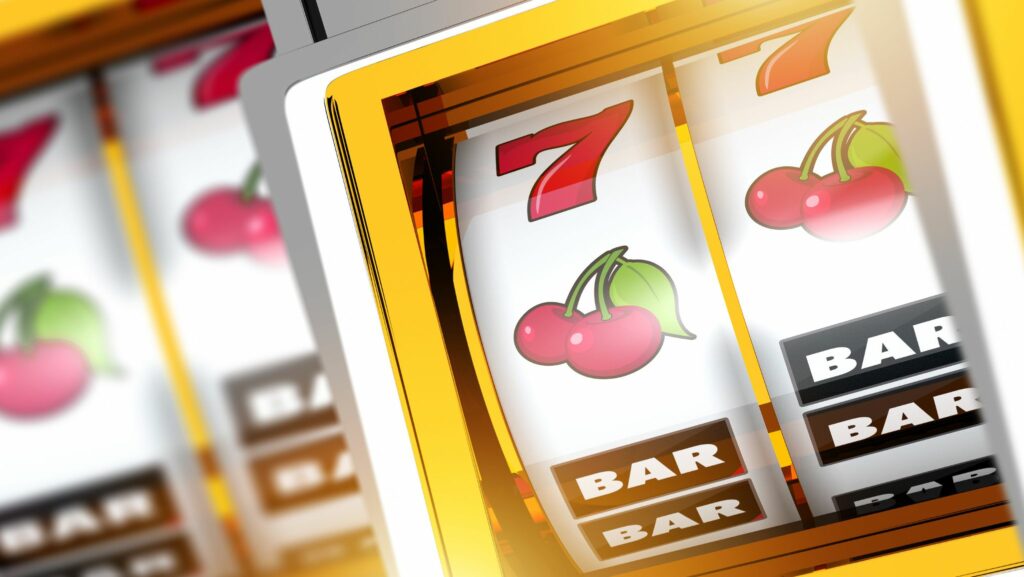
When players associate these sights and sounds with fun memories, they’re more likely to return. It’s a perfect mix that adds both comfort and excitement to the gameplay.
Conclusion
Visual storytelling is much more than pretty art — it’s the heartbeat of player connection. It turns regular gameplay into an enjoyable experience that players remember and revisit. Through expressive characters, thoughtful colors, smooth animation, and consistent themes, games become more than just entertainment — they become experiences worth returning to.